Off-the-shelf furniture works fine until it doesn’t. Awkward alcoves, oddly shaped rooms, or just wanting something nobody else has—that’s where bespoke joinery earns its keep.
2026 is seeing more homeowners in Melton Mowbray go custom rather than settle for what’s on the shelf. Here’s where it makes the biggest difference.
Why Bespoke Joinery Is Worth Considering
Standard furniture is built for average spaces, and most homes aren’t quite average. A bespoke piece fits the exact dimensions of your room, which means no wasted space and no awkward gaps.
It also tends to last longer. Custom joinery is usually built to a higher standard than mass-produced alternatives, using better materials and proper craftsmanship.
7 Ways Bespoke Joinery Can Transform Your Home
1. Fitted alcove shelving
That awkward space either side of a chimney breast rarely fits standard furniture well. Custom shelving uses every inch properly, rather than leaving gaps.
2. Built-in wardrobes
Freestanding wardrobes eat into floor space and rarely match the room. Fitted versions make use of every corner, right up to the ceiling if needed.
3. Home office storage
Hybrid working means more people need a proper workspace at home. Bespoke desks and shelving fit awkward box rooms far better than flat-pack alternatives ever could.
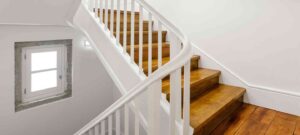
4. Custom staircases
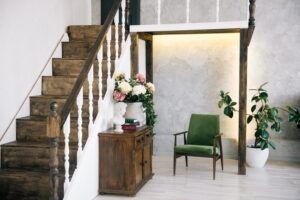
A staircase is often the first thing people notice walking through the door. Bespoke joinery can completely change its look, from the handrail down to the treads.
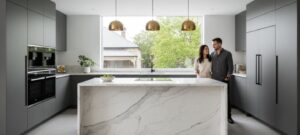
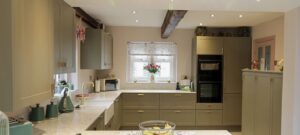
5. Kitchen cabinetry
Standard units come in fixed sizes, which rarely suits older or unusually shaped kitchens. Bespoke cabinetry solves that, fitting exactly around pipework, windows, or awkward corners.
6. Window seats and reading nooks
Bay windows and deep sills are often wasted space. A built-in seat with storage underneath turns that dead area into something genuinely useful.
7. Bespoke doors and skirting
Small details, but they add up. Matching custom doors and skirting throughout a home gives it a considered, finished feel that off-the-shelf options rarely achieve.
What Bespoke Joinery Cost Actually Looks Like
Prices vary a lot depending on the project, material, and complexity involved. As a rough guide, fitted alcove shelving might start around £800 to £1,500, while a full bespoke staircase can run well into five figures.
Understanding bespoke joinery cost early helps you prioritise which projects to tackle first. Smaller jobs, like shelving or window seats, are a good starting point if budget is tight.
Getting Bespoke Joinery Right
Good bespoke work starts with an accurate survey. Every wall, alcove, and awkward corner needs measuring properly before any design work begins.
Material choice matters too. Solid wood costs more upfront but tends to age better than veneer or MDF, particularly for pieces that get daily use.
Why Bespoke Joinery Melton Mowbray Homeowners Choose Local
Local craftsmen understand the character of homes across the area, from Victorian terraces to newer builds. That familiarity helps designs actually fit the property, not just the brief.
It also makes ongoing communication easier. Being able to visit a workshop or see samples in person beats relying entirely on photos and phone calls.
Ready to Transform Your Home?
Bespoke joinery turns awkward, wasted space into something genuinely useful, built exactly around how you live.
Rodstone Joinery Solutions creates custom joinery for homes across Melton Mowbray, from fitted shelving to full staircases. The team can talk through what’s realistic for your space and budget.